
As the world seeks sustainable solutions to combat climate change and reduce dependence on fossil fuels, the integration of renewable energy sources with HVAC (Heating, Ventilation, and Air Conditioning) systems has emerged as a powerful strategy. In this blog, we'll delve into the exciting realm of renewable energy integration, exploring how solar, wind, and innovative technologies are reshaping HVAC systems. We'll also spotlight the myriad benefits, from reduced carbon emissions to enhanced energy independence.
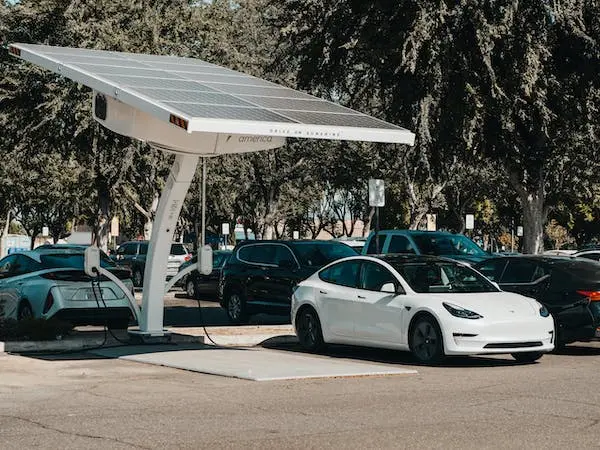
Harnessing renewable energy sources like solar and wind to complement HVAC systems offers several compelling advantages:
Clean and Sustainable: Solar and wind energy are inexhaustible and produce no harmful emissions, making them environmentally friendly alternatives to fossil fuels.
Energy Independence: By generating electricity on-site, buildings can reduce their reliance on external energy sources, providing greater energy independence and security.
Cost Savings: Renewable energy can significantly reduce energy bills over time, thanks to lower operating costs and potential incentives or rebates.
Innovative Solutions for Renewable Integration
Let's explore some innovative approaches to integrating renewable energy into HVAC systems:
Geothermal Heating and Cooling: Geothermal systems tap into the stable temperature of the Earth's crust to provide efficient heating and cooling. They can work in harmony with HVAC systems, reducing energy consumption and carbon emissions.
Solar-Assisted HVAC: Solar panels can be installed on rooftops or other available spaces to generate electricity. This energy can then power HVAC systems, reducing grid dependence.
Energy Storage Technologies: Battery storage solutions store excess energy generated by renewables, ensuring a consistent power supply for HVAC systems, even during cloudy or windless periods.
Reducing Carbon Emissions and Environmental Impact:
The integration of renewable energy with HVAC systems offers a direct path to reducing carbon
emissions and environmental impact. By relying less on fossil fuels for electricity generation,
we can mitigate the greenhouse gas emissions responsible for climate change.
Additionally, renewable integration aligns with sustainability goals, making buildings and
industries more environmentally responsible. It demonstrates a commitment to preserving our
planet for future generations.
Renewable energy integration in HVAC systems represents a
significant step
toward a greener and more sustainable future. The synergy between solar, wind, and innovative
technologies with HVAC not only reduces carbon emissions and energy bills but also promotes
energy independence and environmental stewardship.
As we look ahead, the continued development of renewable energy technologies and their
integration into HVAC systems will play a pivotal role in building a more sustainable and
resilient world. By embracing these solutions, we can create a brighter, cleaner, and more
energy-efficient future for all.